It Takes a Village to Raise a Well-Rounded Performer
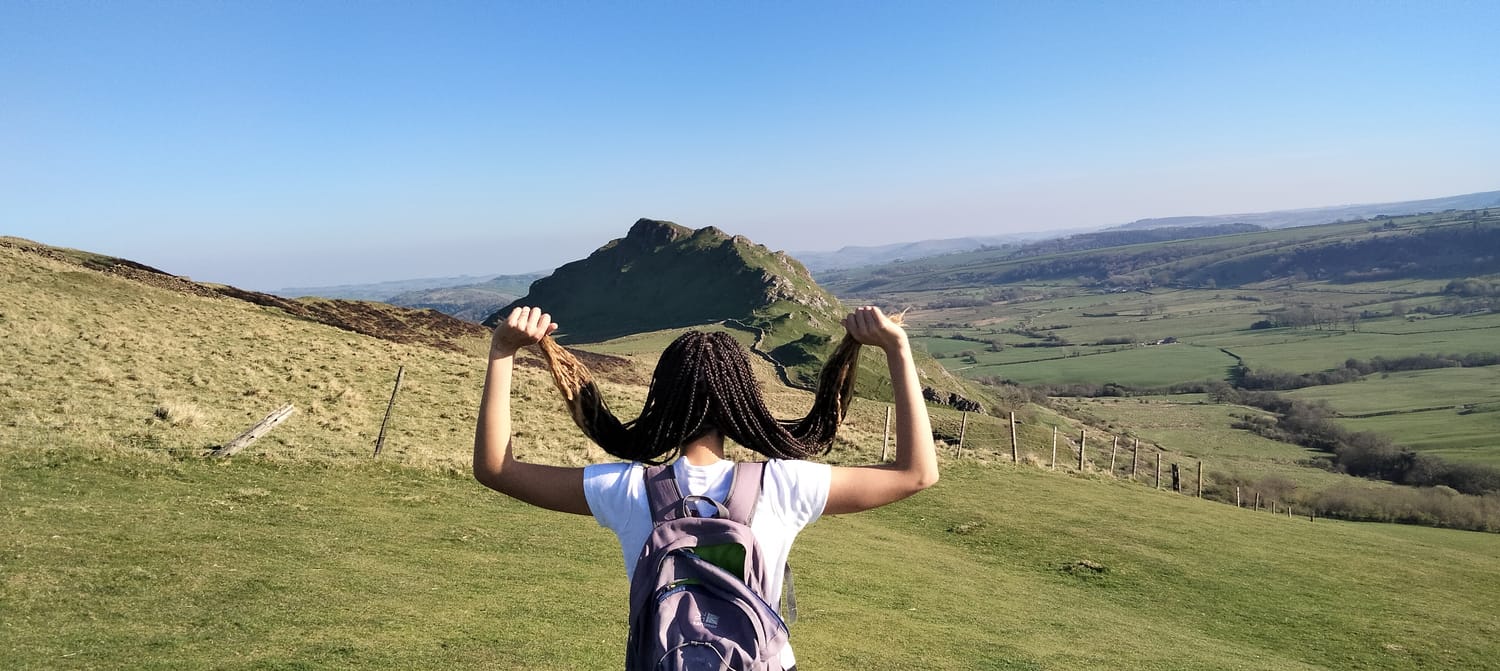
My daughter turned 18 a week ago. I found myself scrolling back through years of photographs and old Facebook posts - muddy forest walks, mountain hikes, swims in all kinds of warm and cold waters, campervanning, foraging, Legoland rides, ice-skating, rollerblading, running and even a brief phase of parkour and many other adventures. But also trialling and playing with different forms of art, different genres of music and different instruments.
As some of you may know, she is now entering the world of classical singing - but she still loves exploring all other forms of art.
What struck me wasn't any single moment. It was the accumulation of them. The texture of a childhood that wasn't built around one thing.
As a clinical psychologist who works with performing artists, and as someone who has spent a lot of time thinking carefully about what helps performers thrive without breaking - I know that what we were doing in those years wasn't just parenting. We were, without always having a name for it, building the psychological infrastructure for sustainable performance.
What I Hear in the Clinic
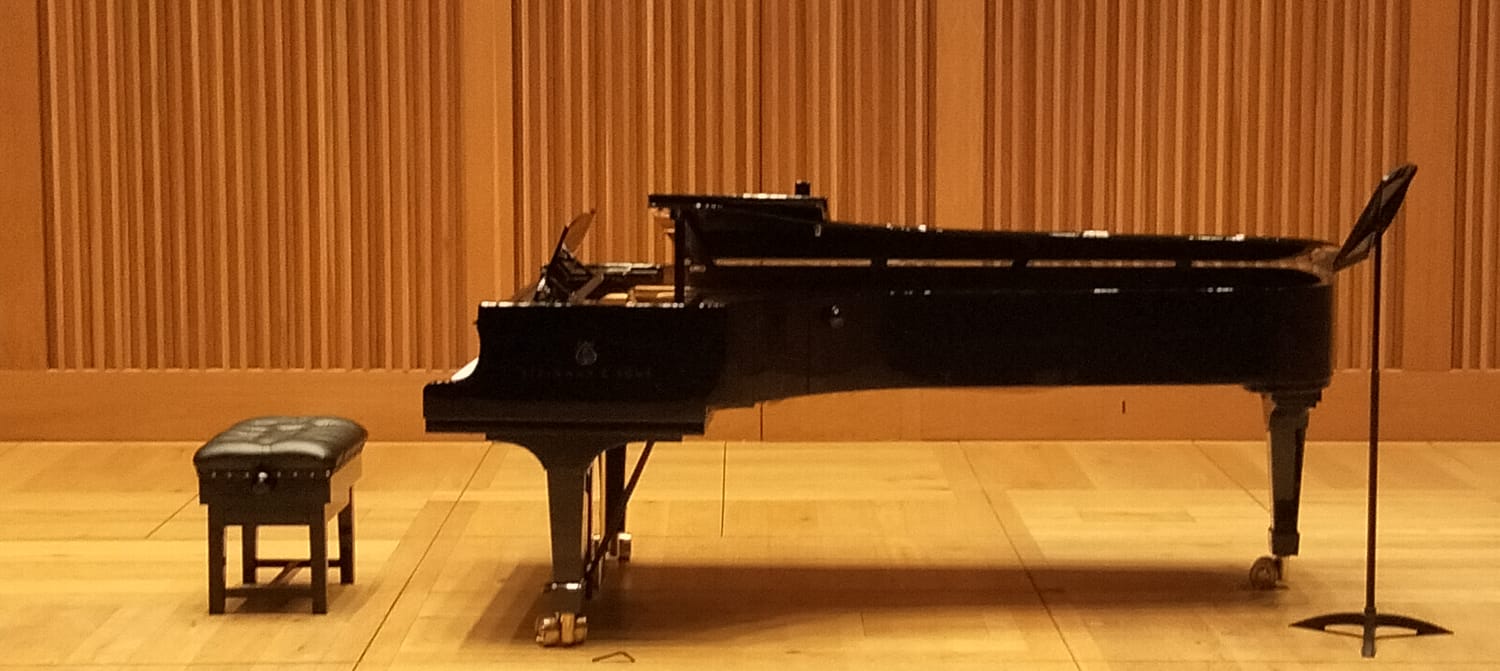
I regularly work with adult performers - many of them classical musicians - who describe their childhoods with a kind of quiet grief. Holidays that weren't really holidays, but opportunities to practise even more. Summers that meant more scales, more repetitions, more hours at the instrument. Parents who meant well, completely, and who were terrified of squandered potential.
A statement I hear often sounds something like this:
"The piano was my whole life. I didn't know it wasn't supposed to be."
- Heard in clinical practice, repeatedly
When a child's identity becomes inseparable from their performance, several things happen neurologically and psychologically. The nervous system learns to attach safety and worth to output. Rest begins to register as a threat - something to be justified, earned, or avoided. And the regulatory systems that all humans need - the ones that require genuine disengagement, novelty, and play - start to atrophy.
This does not happen due to a failure of dedication. It happens when the village shrinks to a single room.
What the Evidence Actually Supports
Breadth in early development builds resilience
Exposure to different art forms, movement practices, social environments, and unstructured time is consistently associated with greater creative resilience in adult performers. It is not a distraction from mastery. It is part of its foundation.
Genuine rest maintains the performing nervous system
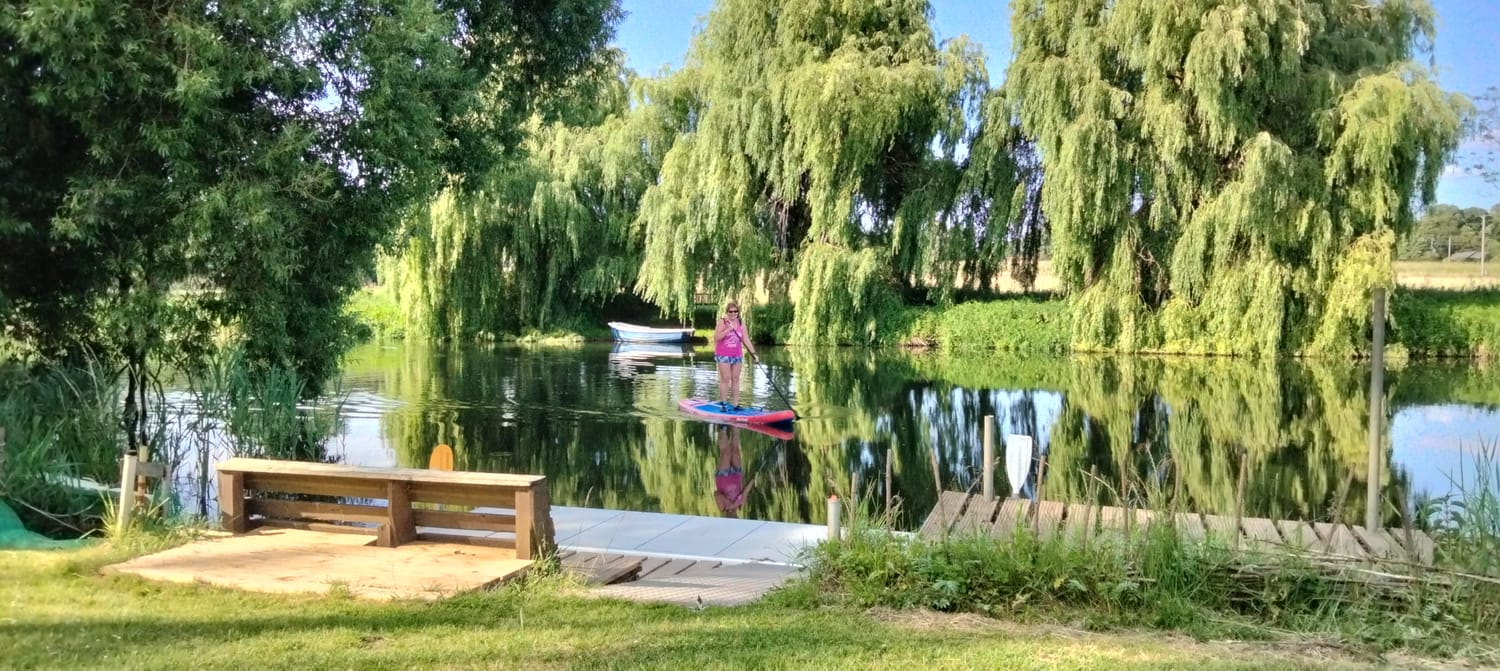
Nature exposure, rest, and genuinely different activities - not cross-training for performance, but activities with no instrumental purpose - support vagal tone, reduce cortisol dysregulation, and restore the prefrontal capacity needed for creative risk-taking. A singer who knits, an actor who works with clay, a violinist who swims in the sea - these people are not wasting time. They are maintaining the nervous system that performance depends on.
The Stage Performer Framework: Core Elements of the Village
In the Stage Performer Framework (SPF) I created for working with performing artists, I include four core elements of the village that creates the right conditions for a performer to truly flourish:
Breadth of Experience
Exposure to multiple art forms, instruments, and styles - especially in the early years - builds creative resilience that specialisation alone cannot.
Identity Beyond Performance
A self that isn't wholly contingent on artistic output. Someone who knows who they are when they're not on stage, or at the instrument.
Genuine Rest
Holidays, time in nature, unstructured play - without performance pressure attached. Not recovery-for-the-sake-of-performance, but rest that belongs to the person.
The Right Village
Teachers, mentors, peers, and family who model balance - and who understand that stepping away is not a threat to excellence, but part of its foundation.
A Question Worth Sitting With
Whether you are a performer yourself, a parent, a teacher, or someone who works alongside artists - I want to invite a genuine question, not a rhetorical one:
Reflection
What does the support system around this performer actually look like? Does it include space to be someone other than a performer?
The village that raises a resilient performer is not one that focuses only on the performance. It includes the people who say: put it down for the afternoon. Come outside. Try this completely different thing. Let's have fun. You don't have to earn rest.
It also includes professionals who understand the specific psychological terrain of performance life - and who can help identify when pressure has tipped into harm.
If any of this resonates - whether you recognise it in your own history, or in someone you are supporting - I am always glad to hear from you. And if you are a performing artist who has never felt permission to fully rest, I want you to know: that permission does not have to be earned. It was always yours.
Ready to Go Deeper?
I will soon be running a free Masterclass on imposter syndrome on stage. DM me or click below to be notified when it is ready. I also offer 1:1 clinical psychology sessions and group courses throughout the year.
Get Your Free Resources
HI, I’M DR. MAJA JANKOWSKA...
a Clinical and Counselling Psychologist specialising in the mental wellbeing of stage performers. I support musicians, singers, actors and other high-achieving creatives in developing psychology-informed mental skills so they can perform with confidence, manage pressure and maintain resilience without burnout.
With 23 years of clinical, academic and research experience – including expertise in CBT, EMDR, trauma (PTSD & C-PTSD) and performance psychology – my approach is grounded in robust scientific evidence.
My aim is to safeguard your passion, longevity and emotional wellbeing in one of the most demanding creative industries.
If you’re seeking free resources, expert guidance on performance anxiety and self-doubt, or support in achieving peak performance whilst staying mentally strong, you’re in the right place.



JOIN MY MAILING LIST